Cashless Health Insurance
Medical emergencies can strike unexpectedly, leaving you and your loved ones with emotional and financial strain. A comprehensive cashless health insurance plan ensures you receive quality medical care on time without any financial burden.
With Generali Central's cashless health insurance, you can say goodbye to the hassle of arranging funds for medical expenses upfront. We directly settle all medical expenses with the hospital so you can focus on recovery or taking care of your loved ones.
Whether it's a routine health check-up, planned surgeries, or unexpected medical emergencies, our cashless health insurance plans offer peace of mind and financial protection against increasing healthcare costs.
With Generali Central's cashless health insurance, you can focus on what truly matters – your health and well-being – while we take care of the rest. Our cashless plans are designed to offer convenience and holistic coverage, safeguarding you and your family against unexpected medical expenses.
What is Cashless Health Insurance?
Cashless health insurance allows you to receive medical care at network hospitals without the need to make upfront payments. Instead, we will settle the medical bills directly with the hospital, easing your financial burden during times of illness or medical emergencies.
To avail of the cashless facility, you can visit any of your preferred hospitals and present your health insurance card. The hospital will then start a pre-authorization process and send us a request to approve the required treatment plan and the medical expenses. We will evaluate the request based on the policy terms and conditions before approving it. Once approved, you can proceed with the necessary medical procedures without worrying about the payment.
We will directly settle the medical bills with the hospital, up to the sum insured and as per the policy terms. This ensures you have access to timely medical attention without the financial strain of arranging funds.
By eliminating the need for upfront payments, cashless health insurance ensures you can focus on your health and recovery without worrying about financial constraints. Moreover, it makes quality healthcare easily accessible by facilitating timely treatment and hospitalization. Cashless health insurance safeguards your financial well-being in times of medical need, empowering you to make informed decisions.
Different types of cashless plans in India
Individual Health Insurance
Individual health insurance plans cover the health expenses of a single person. These plans come with a specific sum insured, which can be utilized by the individual policyholder alone. They typically cover hospitalization expenses, pre and post-hospitalization costs, and sometimes, additional benefits like day-care procedures and health check-ups.
Family Floater Plans
Family floater plans cover the entire family under a single sum insured. These plans are cost-effective and convenient for families, ensuring that all members are protected under one umbrella policy.
Critical Illness Insurance
Critical illness insurance plans provide a lump sum benefit upon the diagnosis of specific critical illnesses listed in the policy. These can include heart attack, stroke, cancer, and more. The coverage amount can be used to cover treatment expenses, repaying debt, or loss of income. These plans are an add-on to standard health insurance and help you navigate the high treatment costs associated with critical illnesses.
Senior Citizen Health Insurance
As the name suggests, senior citizen health insurance plans are specifically designed for individuals aged 60 years and above. They address the higher medical risks and healthcare needs associated with aging and offer coverage for hospitalization, pre-existing diseases after a specified waiting period, and critical illnesses.
Maternity Health Insurance
Maternity health insurance plans cover expenses related to childbirth, including both normal and cesarean deliveries. They may also cover pre and post-natal expenses, along with newborn care for a specified period post-birth. Given the rising costs of maternity care, these plans provide significant financial relief to expectant families. However, maternity plans often come with a waiting period, so it is important to plan ahead.
Group Health Insurance
Group health insurance plans are offered by employers to their employees as part of their benefits package. These plans provide coverage for a group of people under a single policy and often include the employees' family members. Group plans offer a range of benefits, including hospitalization, day-care procedures, and sometimes even maternity and pre-existing condition coverage from day one.
Immediate Treatment

Financial Relief

Get Treated at Your Preferred Hospital

Hassle-free Process

Focus on Recovery

Pre-authorization Benefit

Transparent Transactions
How does cashless health insurance policy work?
Cashless health insurance streamlines the process of accessing medical care. Here's how this policy works:

Visiting a Network Hospital
Cashless health insurance policies have tie-ups with a wide network of hospitals, known as network hospitals. These hospitals provide treatment to the policyholders without any upfront payment. In the event of a medical emergency or when a planned treatment is required, you can visit any of the network hospitals for your medical needs.

Identification and Verification
When you arrive at the hospital, you need to present your health insurance card along with a valid ID for verification. The hospital then verifies your eligibility for cashless treatment with the insurance company.
Pre-authorization Request
The hospital will submit a pre-authorization request to Generali Central, mentioning the required treatment and estimated costs.

Approval Process
We will review the pre-authorization request and evaluate it against the policy terms and coverage. If the treatment is covered, we will approve the request and authorize the hospital to proceed with the treatment.

Treatment and Settlement
Once the hospital receives the approval, you can avail of the treatment without making any payment. The hospital will settle the bill directly with us.
If you wish to avail of cashless treatment at a non-network hospital, follow these steps:
- Inform Us
If you're availing of medical services at a hospital outside our network, inform us through our website or by contacting our call center.
- Submit the Online Form
Fill out the hospital details in the online form for cashless hospitalization. If you can't fill out the online form, you can reach out to our call center. Share the hospital details with our executives and they will submit the request on your behalf.
Documents Required for Cashless Hospitalization
To avail of the cashless hospitalization facility, you must present the following documents:
• Health Insurance Card: This card is issued by the insurance provider. It includes details about your policy and serves as proof of your eligibility for cashless services.
• Photo Identification: A valid photo ID proof such as your passport, driver’s license, Aadhar card, or PAN card.
• Address Proof: A valid address proof such as your Aadhar card, passport, ration card, etc.
• Medical Reports and History: Medical reports, history, and documents like diagnostic reports, doctor's notes, treatment plans, etc.
Having these documents readily available can accelerate the cashless hospitalization process and ensure you or your loved ones receive timely medical care without any stress.
What is covered in cashless health insurance?
Cashless health insurance is designed to offer you peace of mind and financial protection when you need it most. It covers a wide array of medical services without the need for direct out-of-pocket payments at the time of treatment. This ensures that, from the moment you walk into a network hospital to the time you leave, your focus remains solely on recovery, while we handle the financial transactions directly with the hospital.
Whether it's unexpected emergencies, planned treatments, or routine health check-ups, cashless health insurance covers a broad range of medical needs, ensuring comprehensive coverage for you and your family.
Inclusions of cashless health insurance
Cashless health insurance provides you coverage for the following benefits:

Pre/Post Hospitalization Expenses
Hospital bills can swiftly pile up, adding financial strain during already challenging times. A cashless health insurance plan removes this burden by covering all hospitalization expenses so you can focus on the well-being of your loved ones. Its coverage goes beyond hospitalization costs, covering pre- and post-hospitalization expenses and ensuring overall well-being.
Preventative Care
Cashless health insurance policies go beyond basic coverage to include value-added services such as routine check-ups, vaccinations, and screenings for specific conditions. This helps you keep your health in check and identify potential health issues early. By identifying signs of illness at an early stage, you can take preventative steps to maintain your health and well-being.
Daycare Treatment Expenses
If you need hospital care for less than 24 hours, rest assured, your health insurance has got you covered. Daycare treatments, which don't require the traditional overnight hospital stay are covered in cashless health insurance, ensuring you're financially protected every step of the way.
Outpatient Care
A health insurance plan extends its coverage beyond hospitalization to include outpatient care too. This ensures that from the initial doctor's visit to any necessary tests and follow-up appointments, your health insurance is there to support your healthcare journey.
E-opinion in Respect of Illness or Injury
If you need to consult a medical practitioner online for any ailment or injury, your health insurance plan has got you covered for the doctor's consultation fees.
Maternity Expenses
Depending on your policy, you can also receive medical benefits as you embrace the beautiful journey of motherhood. Your policy will cover all prenatal and postnatal expenses, ensuring you can focus on the precious moments of your maternity journey without financial worries.
Prescription Drugs
A cashless health insurance plan helps you manage the expense of prescription medications conveniently.
Road Ambulance Coverage
Cashless health insurance plans also cover road ambulance charges, ensuring you reach the hospital quickly and safely.
Exclusions of Cashless Health Insurance
Cashless health insurance does not cover the following conditions:
Non-prescribed medicines
Illness due to the consumption of alcohol or drugs
Hormone replacement therapy
Sex change treatment
Injuries due to war
What is not covered?
NOT INCLUDED

Non-prescribed medicines
Illness due to the consumption of alcohol or drugs
Hormone replacement therapy
Age disabilities or illnesses from birth known as congenital
Sex change treatment
Injuries due to war
Cashless Hospitalization Claim Process
To avail of the cashless hospitalization facility with Generali Central, all you need to do is follow these 4 simple steps:

Visit Hospital
Approach an insurance desk of your nearest GCI Network Hospitals and show your health card for Cashless Treatment
Verify Yourself
The Network Hospital will verify your identity and submit duly filled pre-authorization form with Generali Central
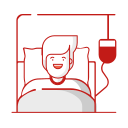
Get Admitted
You get admitted without any deposit and get cashless treatment
Peace of Mind
Once you are discharged, the hospital will send your claim documents to GCI and the authorized amount will be settled directly with the hospital
Difference between cashless claim and reimbursement claim
| FEATURE | CASHLESS CLAIM | REIMBURSEMENT CLAIM |
|---|---|---|
| Definition | Direct settlement of medical bills between the insurance company and the hospital. | Policyholders pay upfront for medical services and get reimbursed by the insurance company. |
| Process | The hospital sends the medical bills directly to the insurer, who settles them according to the policy terms. | The policyholder pays the hospital bills, submits the necessary documents to the insurer, and gets a reimbursement. |
| Location | Can be claimed at any hospital. | Can be claimed at any hospital. |
| Timeframe | Immediate, as the insurer settles the bills directly with the hospital. | Post-treatment, as the policyholder needs to pay the bills first and then file for reimbursement. |
| Documentation | Minimal paperwork is required, as most documentation is handled between the hospital and the insurer. | Requires comprehensive documentation, including bills, prescriptions, and discharge summaries, to be submitted by the policyholder. |
| Convenience | Highly convenient as it eliminates the need for upfront payment by the policyholder. | Less convenient as it involves upfront payment and a wait time for reimbursement. |
| Financial Impact | No immediate financial burden on the policyholder, as the insurer settles the bills directly. | Short-term financial impact as the policyholder needs to pay for the expenses initially. |
Understanding the differences between cashless and reimbursement claims can help you make informed decisions about your healthcare in times of need. Cashless claims offer the convenience of direct billing and minimal upfront financial burden, making them a preferred choice for treatments within the insurer's network of hospitals.
On the other hand, reimbursement claims provide the flexibility to seek treatment at any hospital, which can be beneficial if your preferred or nearest hospital is not part of the insurer's network. However, with reimbursement claims, you will have to pay for the treatment expenses upfront and file lengthy paperwork.
Top Reasons for Claim Rejection in a Cashless Mediclaim Policy
Sometimes, it might happen that the insurer rejects your cashless claim request. This can happen due to any of the following reasons:
- Requesting treatment for specific exclusions, such as certain pre-existing conditions, cosmetic surgeries, or alternative treatments, which are not covered.
- Providing incomplete or inaccurate documentation.
- Not disclosing previous medical conditions or history.
- Receiving treatment in hospitals that are not included in the insurer's network.
- Not informing the insurance provider about the hospitalization on time.
- Making a claim under a lapsed or inactive policy.
Things to consider before buying a cashless health insurance policy
It's important to buy a health policy that aligns with your healthcare needs and financial circumstances. To make an informed decision, here are a few factors that you must consider:

Comprehensive Coverage
Evaluate the coverage of the policy. Make sure it offers comprehensive coverage, from outpatient procedures and inpatient hospitalization to critical illnesses and emergency services, so you are covered for a wide range of medical scenarios.

Sum Insured
The sum insured should cater to your health needs and align with potential medical costs in your area. Opt for a sum that provides enough coverage, considering the rising medical expenses and any specific health risks or conditions you might have.

Waiting Period
Understand the waiting periods associated with the policy, especially for pre-existing conditions, specific treatments, or illnesses. This will help you determine when your coverage will be fully operational and avoid surprises during claims.
Co-payment
Some policies require a co-payment, where the policyholder needs to pay for a portion of the claim amount. Before buying a policy, make sure to assess the co-payment clause to ensure it's manageable and doesn't affect the financial benefits of the policy.
Reasons for rejection of cashless health insurance

Treatment Not Covered Under the Policy
One of the major reasons for claim rejection is seeking treatment or medical care for conditions not covered under your health insurance policy. Insurers typically provide a list of expenses or illnesses that are excluded from the policy. Therefore, it's important to carefully check your policy cover details to avoid any hassle later.

Hospitalization Not Required
Cashless insurance typically covers treatments that require hospitalization. Claims for outpatient treatments or those that do not require hospitalization according to the policy terms can be rejected. Therefore, it's crucial to understand the scope of coverage regarding hospitalization needs.
Exhaustion of Sum Insured
The sum insured is the maximum amount you can claim in the event of a medical emergency. Every policy has a limited coverage and if you exhaust it due to previous claims within the policy term, your next claim can be rejected. So, make sure to be mindful of your coverage limit and plan your health insurance needs accordingly.
Delay in Claim Submission
It is important to file your cashless health insurance claim timely. Most insurance policies have a given time frame within which you must file the claim after hospitalization or treatment. Delays beyond this period can lead to claim rejection.

Lapsed or Inactive Policy
If your policy is lapsed or inactive due to non-renewal or failure to pay the premium, it can lead to claim rejections. So make sure to track the validity of your policy for timely renewal.
Non-disclosure of Medical History
Transparency and honesty is a crucial aspect of insurance. If you don't disclose any pre-existing conditions or provide inaccurate information about your medical history, it can result in claim denial.
Need to know more about Health Insurance?

Health Insurance
How GST Reform Affect Health Insurance Premiums?
The recent GST reforms have scrapped the 18% GST on health insurance. Learn how recent GST reforms affect health insurance premiums and more.
The recent GST reforms have brought relief for health insurance policyholders. Starting from 22nd September 2025, health insurance premiums will be completely exempted from tax liabilities, which currently stand at 18% GST. This reform was introduced after the 56th GST council meeting under the leadership of Finance Minister Nirmala Sitharaman.
As a policyholder or an individual looking to purchase a reliable health insurance policy, it is important to understand how GST reforms can affect the premium paid under a health insurance plan. Let’s get into the details.

Health Insurance
Different Types of Health Insurance Policies in India
The rising medical expenses have made health insurance a necessity for Indians. There are different types of health insurance available that suit different health needs. Whether it is for an individual, a family, elderly members, critical illnesses, existing diseases, or other health-related needs, there is a suitable plan for everyone. This guide discusses different types of health insurance plans available in India.

Health Insurance
Is it Better to Have a Low or High Deductible?
Following the COVID-19 outbreak, premiums for almost 52% of medical insurance policyholders increased by 25% in just 12 months. This figure indicates that...
Health Insurance
What to Eat During Intermittent Fasting
Intermittent fasting has gained immense popularity as a dietary approach for weight loss and overall health improvement. However, many people wonder what they...

Health Insurance
Is Intermittent Fasting Good for Health?
In recent years, intermittent fasting has become a popular wellness trend, with many adopting it for weight loss, better metabolism, and improved overall...

Health Insurance
Can I Get Health Insurance for a New Born Baby
Sakshi and Shantanu Pandey, both IT professionals from Bangalore, were overjoyed to welcome their newborn. Due to some complications, however, the little one...

Health Insurance
Difference Between Riders and Add-on Covers in Health Insurance
When exploring health insurance, you may have come across riders and add-ons. While these sound similar, they are quite different in terms of the benefits that...

Health Insurance
Consumables Coverage Health Insurance Explained
Health insurance provides financial security and peace of mind- until the real hospital bill arrives. Along with medicines, room rent, and surgery expenses...

Health Insurance
Top 5 Benefits of Having Health Insurance for Your Family
As a responsible provider for your loved ones, ensuring their well-being is likely your top priority. One crucial aspect of this is having a reliable health...

Health Insurance
Chemotherapy duration: How long treatment typically lasts
When faced with a cancer diagnosis, one of the most pressing questions for patients and their loved ones is: How long will chemotherapy last? The duration of...

Health Insurance
GST on Health Insurance: What Every Policyholder Must Know
The recent exemption of Goods and Services Tax (GST) on health insurance premiums marks a significant shift for policyholders in India. Earlier, premiums...

Health Insurance
What’s Covered (and What’s Not) in Senior Citizen Health Insurance Plans
As we age, our healthcare needs evolve, often requiring more frequent medical attention and specialised treatments. For India's growing elderly population...
Health Insurance
How to Get Free Health Checkup With Your Health Insurance
When was the last time you went for a preventive health check-up? If you cannot recall, you are not alone. Many of us neglect our health until an illness...

Health Insurance
What Is Senior Citizen Health Insurance and Why Is It Important?
As we step into our golden years, safeguarding our health becomes more vital than ever. With advancing age comes a greater likelihood of chronic conditions...
Health Insurance
What is Automatic Recharge in Health Insurance?
Ever wondered what would happen if your health insurance coverage runs out mid-year? Medical emergencies don’t follow a schedule and sometimes, even a high sum...

Health Insurance
How to Choose the Best Health Insurance Plan for Women?
As a woman, your healthcare needs are distinct and evolve through different life stages. With rising medical costs and women's unique healthcare needs...
FAQs About Cashless Health Insurance
Cashless health insurance is a policy feature that allows you to receive medical treatments without making any upfront payment at network hospitals. The insurance company directly settles the bill with the hospital, provided the treatment and policy terms are covered
In a cashless claim, once you're admitted to a network hospital, you or a family member must inform the insurance company and submit a pre-authorization form. The insurer will then communicate directly with the hospital to settle the bills as per the policy terms.
Network hospitals are healthcare facilities that have tied up with the insurance company to provide cashless treatment to their policyholders. These hospitals are part of the insurer's network. You can find a list of the insurer's network hospitals on their website or policy documents.
No, cashless treatment is only available at network hospitals of the insurance provider. Treatment at non-network hospitals will require you to pay upfront, after which you can file for reimbursement.
To make a cashless health insurance claim, you'll need to submit a pre-authorization form, your health insurance card, a valid ID proof, and any other documents requested by your insurer or the hospital
No, not all treatments are covered under cashless health insurance. The inclusions vary from insurer to insurer and depend on your policy terms and coverage. Read your policy documents carefully to understand what is covered and what is excluded.
If your cashless claim is rejected, you will have to pay the hospital bills yourself and then file for a reimbursement claim. Submit all relevant bills and documents to your insurer for reimbursement as per your policy terms.
The time taken to process a cashless claim varies from insurer to insurer. However, this process is generally quicker than reimbursement claims.
Typically, there is no limit to the number of cashless claims you can make, as long as you are within your policy's sum insured limit. However, specific terms can vary across policies.


